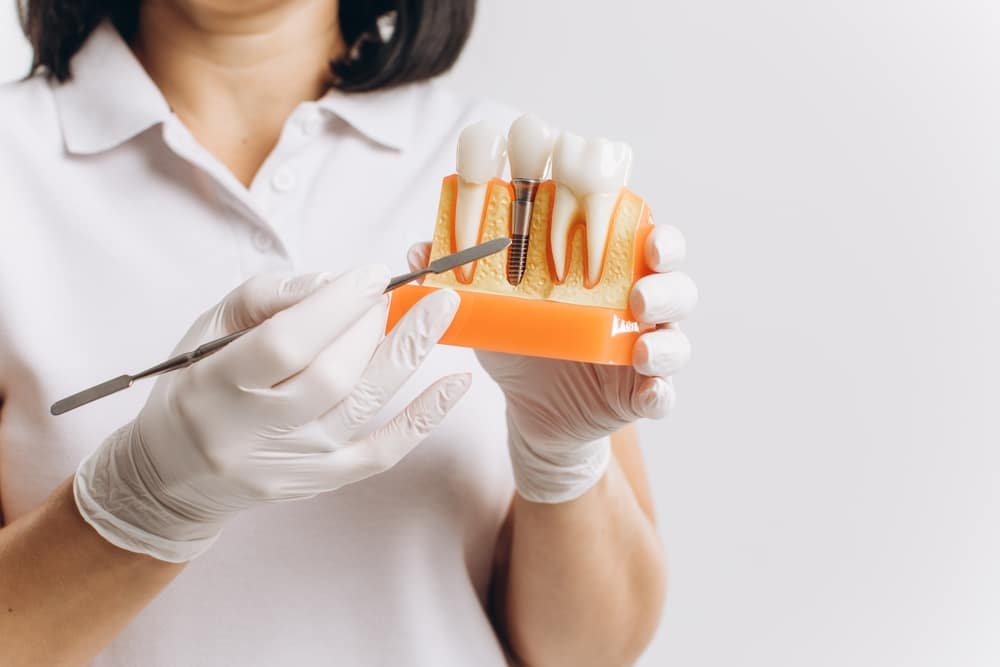
If you’ve been searching “do dental implants hurt” late at night while weighing your options for missing teeth, you’re not alone. Anxiety about pain is one of the most common reasons people delay getting implants, even when they know it’s the right solution. At Massanutten Dental Team and Oral Surgery in Rockingham, VA, our team hears this concern daily. The short answer: most patients experience far less discomfort than they anticipate. With proper anesthesia, modern techniques, and a team that prioritizes your comfort, the process is more manageable than you might think. Let’s walk through what really happens during and after dental implant placement, so you know exactly what to expect.
Pain During the Dental Implant Procedure
The actual implant placement is typically the least painful part of the process, which surprises many first-time patients. Before any work begins, your dentist thoroughly numbs the treatment area with local anesthesia. You’ll feel pressure and some vibration as the implant is placed, but sharp pain is uncommon. Our doctors check in regularly during the procedure to make sure you’re comfortable and can adjust anesthesia levels if needed.
For patients who feel nervous despite numbing, sedation options can help you relax completely. Nitrous oxide is available at no extra charge and lets you stay awake but calm throughout the appointment. Many patients bring headphones and listen to music or podcasts, which helps the time pass quickly. The combination of effective numbing and a calm environment means most people leave surprised at how smooth the experience felt.
What Happens After Your Implant Appointment
Once the anesthesia wears off, you’ll likely notice some tenderness and swelling around the implant site. This is completely normal and part of your body’s natural healing response. Most patients describe the discomfort as similar to having a tooth extracted, maybe even milder. The first few days require the most attention, but soreness typically decreases significantly within a week.
Here’s what you can expect during recovery:
- Mild to moderate swelling that peaks around day two or three
- Tenderness when chewing on that side of your mouth
- Some minor bleeding or oozing in the first 24 hours
- Gradual improvement each day as healing progresses
Over-the-counter pain relievers usually manage any discomfort well. Cold compresses applied to your cheek can reduce swelling and provide relief. Our team gives you clear aftercare instructions, so you don’t have to guess about what’s safe. If anything feels concerning during recovery, you can reach our experienced dental team quickly for guidance.
Do Dental Implants Hurt More for Some Patients?
Pain tolerance varies from person to person, but certain factors can influence your experience. Patients who need bone grafting before implant placement may have a slightly longer recovery period. The complexity of your case matters too. A single implant in healthy bone typically causes less post-procedure soreness than multiple implants or more involved surgical work.
Your overall health also affects healing. People who don’t smoke, maintain good oral hygiene, and follow post-operative instructions carefully tend to heal faster with less discomfort. Age can play a role as well, though older patients often do just fine when they’re in good general health. During your consultation, Dr. Paulette and our registered nurse assess your specific situation and give you realistic expectations about what your recovery might look like.
Managing Discomfort and Speeding Recovery
You have more control over your comfort level than you might realize. Following your dentist’s aftercare instructions makes a significant difference in how you feel during the healing period. Stick to soft foods for the first few days. Things like yogurt, smoothies, mashed potatoes, and scrambled eggs are gentle on the implant site. Avoid hot liquids, crunchy foods, and anything that requires aggressive chewing until you get the all-clear.
Keep the area clean by rinsing gently with warm salt water several times a day. This reduces inflammation and prevents infection, both of which can increase pain. Don’t skip your prescribed medications, even if you feel okay. Staying ahead of discomfort is easier than trying to manage it once it intensifies.
Rest is important too. Your body heals best when you give it time to recover. Avoid strenuous exercise for a few days and get plenty of sleep. If you notice increased pain, significant swelling, or signs of infection like fever or pus, contact our office right away. Catching complications early prevents bigger problems down the road.
Why Patients Say Implants Are Worth It
When people ask, “Do dental implants hurt?” they’re really asking if the temporary discomfort is worth the long-term benefits. Based on patient feedback, the answer is overwhelmingly yes. After the initial healing period, implants function just like natural teeth. You can eat whatever you want, speak clearly, and smile with confidence. Unlike dentures, implants don’t slip or require messy adhesives. They’re permanent, stable, and look completely natural.
The psychological benefits matter just as much as the physical ones. Many patients tell us they avoided social situations or felt self-conscious about gaps in their smile before getting implants. Once healed, they feel like themselves again. The few days of soreness fade quickly, but the positive impact on daily life lasts for decades. When you consider that dental implants can last a lifetime with proper care, a week of mild discomfort seems like a small trade-off.
Getting Honest Answers About Your Specific Case
General information helps, but nothing replaces a personalized assessment from an experienced provider. Every mouth is different, and your unique circumstances will shape your experience. Our dental team takes time during consultations to evaluate your bone density, oral health, and medical history. This thorough approach allows us to give you realistic expectations about pain levels, recovery time, and what your specific procedure will involve.
We encourage you to ask questions during your consultation. Want to know exactly how long soreness typically lasts? Curious about which pain medications work best? Wondering if your other health conditions might affect healing? Bring a list of concerns, and we’ll address each one. Transparency about the process helps reduce anxiety, and informed patients tend to have smoother recoveries.
Schedule Your Consultation Today
If fear of pain has been holding you back from restoring your smile, now’s the time to get accurate information directly from professionals who perform implant procedures daily. Our practice offers flexible payment options, including our Dental Membership Plan for patients without traditional insurance. You can also explore our complete range of dental services to see how implants fit into your overall oral health plan.
Contact our Rockingham office to book your consultation. Click here for directions. We’ll evaluate your situation, answer your questions honestly, and help you decide if dental implants make sense for you. Pain doesn’t have to be the barrier that keeps you from a complete, functional smile.